

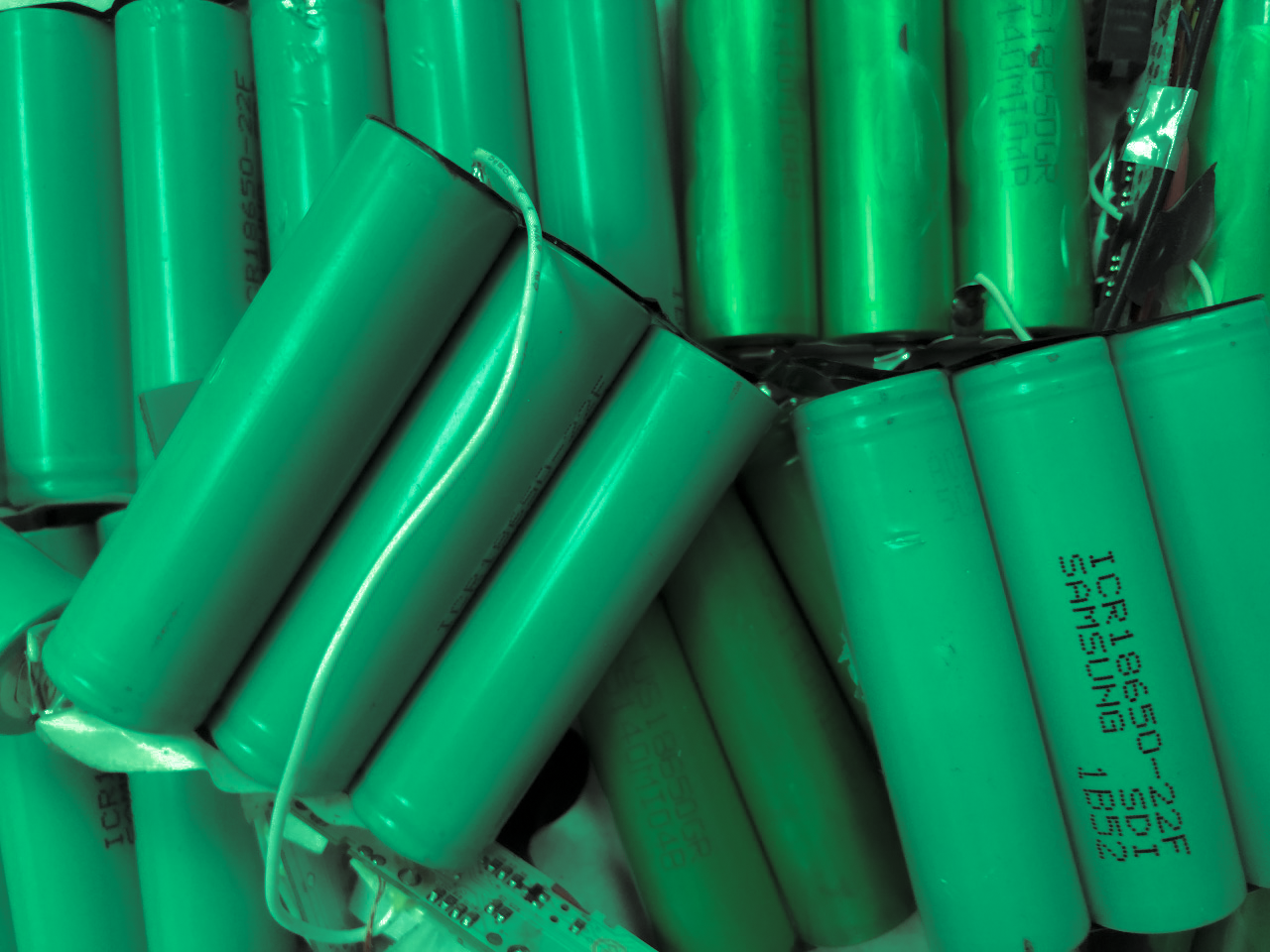

Mechanical Battery Recycling Systems for Full Material Recovery
Cable Management provides solutions to mechanically process any battery feedstock, from EV packs to production scrap, to recover the maximum metal from your input.

Battery Recycling Equipment for All Cell Types
Cable Management’s battery recycling solutions help put processing businesses ahead. We develop industrial-scale recovery systems for battery recyclers and provide equipment to any business looking to mechanically recycle batteries. Our processes make market-saleable copper, aluminum, and steel, along with a black mass product ready for sale or for further pyro or hydrometallurgical processing.
Lithium-ion Batteries
For when the bulk of your feedstock will be lithium-ion batteries and your focus is on black mass, copper, aluminum, plastic, and steel separation.
Electric Vehicle (EV) Batteries
Small and large battery packs alike, you plan on shredding and separating mostly electric vehicle batteries to re-enter into the circular economy.
Production Scrap Batteries
You are a battery manufacturer and you see your production waste is starting to justify battery recycling equipment so you can keep your entire process under one roof.
Post-Consumer Batteries
You are a battery handling facility and the quantity of spent batteries coming through your door is making you question if in-house processing may be the next right step.
98%
recovery rate.
98%+
purity rate.
3-8%
more black mass.
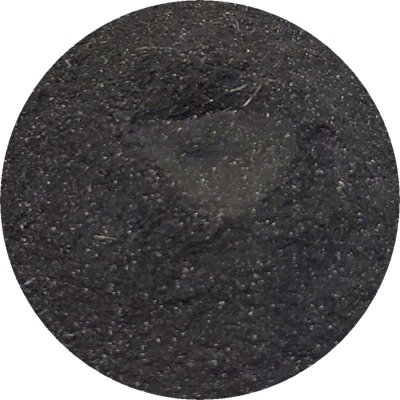
More Black Mass
Effectively recover 3-8% more black mass from your mixed metal stream compared to conventional methods.
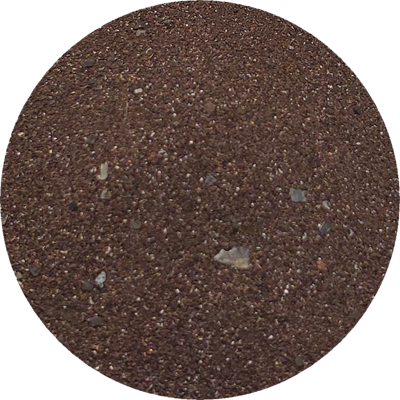
Densified Copper
Be confident your red metal is completely captured and separated, not lost or mixed in downstream.
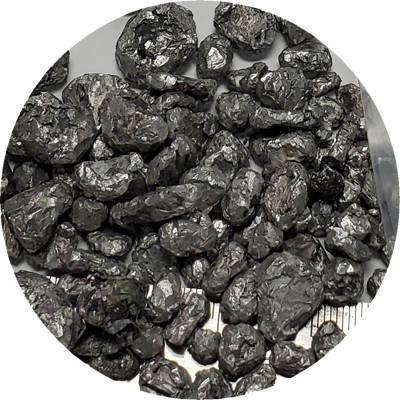
Separated Aluminum
Be sure your aluminum is fully collected, sorted, and produces a steady revenue stream.
How the Battery Recycling Process Works

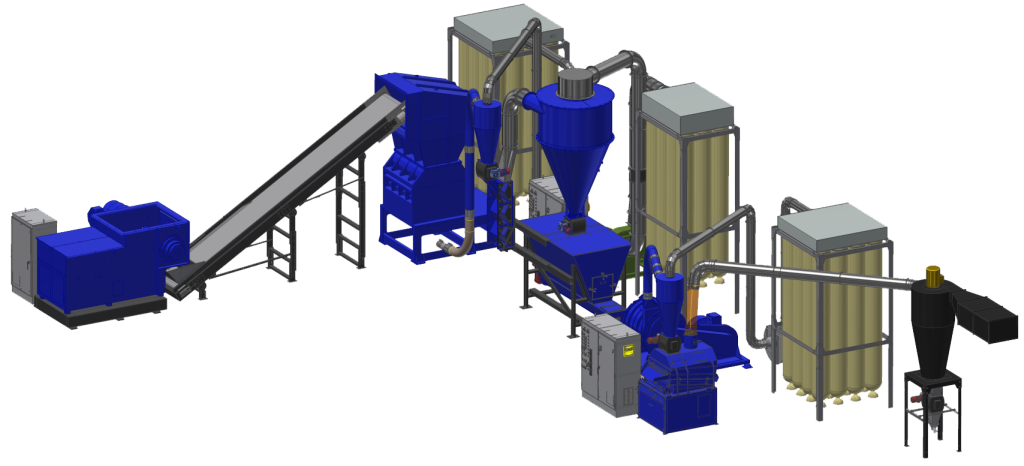
1. Shredding
During the upstream recycling process, material enters a sealed chamber shredder. Each shred stack is thermoregulated and automatically monitored. We accommodate both wet and dry shredding processes based on customer need and feedstock. Feedstock can be any chemistry, battery, and size, including post-consumer batteries, EV packs, battery cells, production scrap, anode film, cathode film, and/or jelly rolls.

2. Drying
Once the infeed has been shredded, multiple drying options can be used. Options include vacuum dryers, filter presses, and/or heated augers. The recommended option depends on budget, application, and preference. The shredded battery material must be dried to 15% moisture or below for ideal downstream separation and recovery.

3. Screening
During the screening stage, your first cut of black mass will be recovered. This then leaves you with your plastic separator, steel, zorba, stainless steel, zinc die cast, and other battery materials which go through a magnetic separation process and onto the densification stage.

4. Densification
The delamination mill plays a critical role by balling-up ultra fine, valuable material like copper and aluminum which, due to densification, can then be separated. Without the densification created during this step, some copper and most aluminum will be lost in the process because of the surface-area-to-weight ratio. For the most efficient operation, the delamination mill is fed by a dosing feed hopper so that the mill is under consistent load, optimizing performance and output. We then utilize another screening stage to isolate the plastic separator, zorba fraction, and secondary black mass fraction.

5. Zorba Sort
The remaining material which contains plastic separator, aluminum, copper, zinc die cast, and stainless steel can now be pulled from the process. Density sort tables are utilized to handle the plastic and aluminum separation while a screener is used for the zinc and copper recovery. During milling, the stainless steel has become magnetized due to heat transfer and can be removed by the use of a special magnet. Through our process, on average 3-8% more black mass is recovered than conventional methods and the copper recovered has a 98%+ purity rate.
Pick Your Battery Recycling System in 3 Simple Steps
Determine the right size system and solution and get your recycling operation to the next level.

Fill Out Our Request a Quote Form
Tell us about the batteries you plan to process, your current volumes, and other needs you are looking for in your battery recycling operation.

Evaluate Your Options With an Expert
One of our professionals will reach out to you and conduct a thorough assessment, reviewing all potential options and solutions with you.

Choose the Right Fit for You
We will educate you on each equipment option and configuration so you are empowered to make the best decision for your operation.
Are tighter markets keeping you up at night?
Are you feeling vulnerable to price volatility and increased pressure to sell at ever-changing margins?
If you are unsure you are getting the full value of your material streams, you might:
- Be leaving money on the table
- Have a narrower product offering, giving you limited access to markets
- Have less control over your profit margins
- Be more exposed to shifting market conditions
Make More Money From Your Batteries
Getting the full value of your battery materials does not need to be difficult. Our team is here to provide you with an individualized battery recycling solution for your current and future plans. We are focused on getting you the right system and options for your specific process. Get in touch and see how you can benefit from our battery recycling equipment!
- How Do You Separate Zorba and Recover Non-Ferrous in Battery Recycling?
 Alongside black mass, your zorba fraction is your most valuable material stream – see how to separate it best here.
 - How Do You Remove Plastic Separator During the Battery Recycling Process?
 Plastic film from battery shred is one of the most difficult materials to separate because of its properties – find out the best way here.
 - How Do You Separate Steel From Black Mass in Battery Recycling?
 Steel separation must be done at the right time in the battery recycling process in order to maximize black mass recovery – see when that is here.
 - How Do You Dry Black Mass in Battery Recycling?
 After shredding, drying black mass is an essential step for recovering critical materials downstream – find out the ways you can do it here.
 - How to Safely Shred Fully Charged Lithium Batteries
 Charged battery cells are a real hazard in the recycling process, especially during the shredding stage – see how to mitigate them here.
 - How to Choose the Right Battery Recycling Equipment Manufacturer
 Choosing the right battery recycling equipment supplier is one of your most important operational decisions – see how to pick the best one here.
 - The Role of Battery Recycling Equipment Manufacturers in a Sustainable Future
 Battery recycling equipment manufacturers have a huge hand to play in the sustainability of an electric future – see how here.
 - How Processors Mitigate Lithium Battery Recycling Fires
 Fires are an inevitability in the battery recycling process and it is not about if they will occur but when – see how to mitigate them here.